
Web Design
Design Synonym

By Ada Monroe
“Design” can describe a plan, a drawing, an appearance, a process or an intention. No single substitute covers all of those meanings. The useful question i
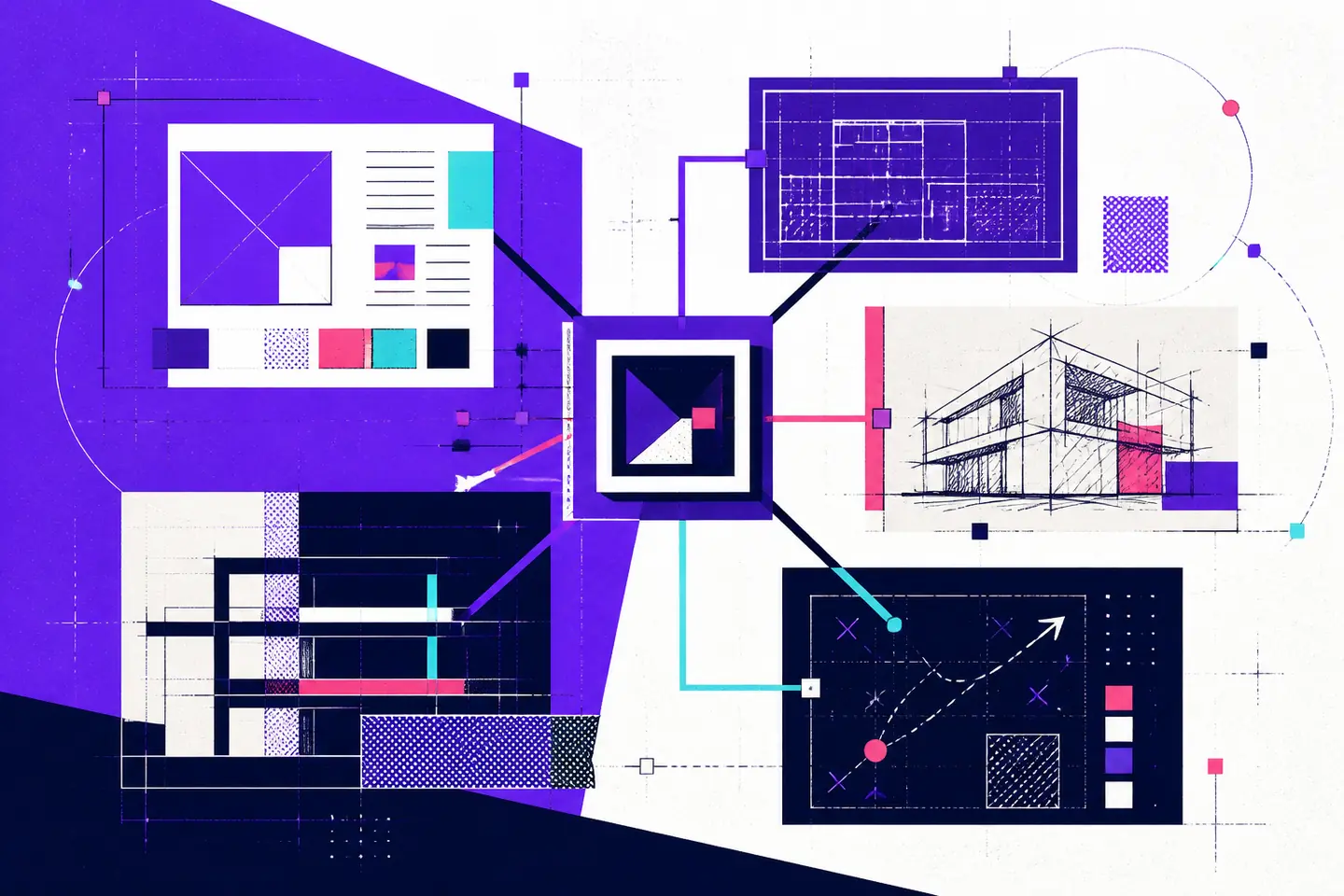
“Design” can describe a plan, a drawing, an appearance, a process or an intention. No single substitute covers all of those meanings. The useful question is not simply “What is another word for design?” but “What does design mean in this sentence?”
Common alternatives include plan, layout, style, concept, blueprint, structure, strategy and devise. Each points to a different part of the work. Choosing the narrowest accurate term makes instructions, briefs and descriptions easier to understand.
Dictionary lists of design synonyms are a useful starting point, but context decides which word belongs in the final sentence.
A quick guide to the main alternatives
- Use plan for an intended course of action.
- Use layout for the placement of elements on a page, screen or in a space.
- Use style for a recognisable visual treatment.
- Use composition for the balance and relationship between visual elements.
- Use concept for an early guiding idea.
- Use sketch or draft for an unfinished representation.
- Use blueprint for a detailed plan that guides construction or implementation.
- Use architecture for the high-level structure of a system.
- Use strategy for an approach to achieving a goal.
- Use devise, develop or create when design is a verb.
These words often overlap, yet they are not interchangeable. A layout can be part of a design, for example, but it does not describe the research, decisions and technical work behind the complete result.
Synonyms for visual design
When design refers to appearance, the most useful alternatives are usually style, layout, composition, visual language, pattern and aesthetic.
Style describes a consistent visual treatment. It may include choices about colour, type, shape, texture and tone. A restrained style, a decorative style and a formal style can all be recognised across several pieces of work.
Layout is more specific. It concerns where text, controls, images and empty space are placed. An editor can revise a page layout without changing its overall style. The word works equally well for publications, interfaces, presentations and rooms.
Composition describes how elements relate to one another. It draws attention to balance, hierarchy, contrast, scale and rhythm. Use it when the arrangement matters as a complete visual unit rather than as a set of separate positions.
Pattern fits a repeated decorative or structural arrangement. It should not replace design when the subject is a one-off decision or the full creative process.
Synonyms for plans, drawings and early ideas
When design names a document or representation, consider plan, drawing, sketch, draft, outline, diagram, blueprint or specification.
A sketch is exploratory and informal. It can record a rough shape, arrangement or idea without settling every detail. A draft is also unfinished, but it suggests a version intended for review and revision. An outline gives the main structure without developing every part.
Blueprint implies a detailed plan that can guide later work. It is useful beyond construction when the sentence clearly means an implementation plan. Avoid it for a loose idea: calling an early thought a blueprint suggests more detail and certainty than exists.
A specification records requirements, constraints or expected behaviour. It may define what a result must do without dictating its final form. A design can answer a specification, but the two documents serve different purposes.
Synonyms for structure and technical development
When design concerns how connected parts work, architecture, structure, system, model, framework and engineering may be clearer.
Architecture describes the high-level arrangement of components and the boundaries between them. Structure is broader and can describe the organisation of a document, service, building or argument. Neither word necessarily includes the detailed decisions needed to produce the final result.
Engineering emphasises technical performance, reliability, materials or constraints. It is a poor substitute when the sentence is only about appearance. Likewise, implementation refers to putting a chosen idea into working form, not to deciding what that form should be.
Precise technical writing often needs more than one term. A group might define an architecture, write a specification, design a component and then implement it. Repeating “design” for every stage hides the difference between planning and production.
Synonyms for strategy and intention
Design can also mean a deliberate purpose or course of action. In that context, use plan, strategy, approach, method, roadmap, intention or scheme.
A plan sets out intended actions. A strategy explains how those actions are expected to achieve a goal. An approach identifies the general way a problem will be handled, while a method is a more defined procedure.
A roadmap arranges intended work across a period or sequence. It communicates direction rather than a finished solution. Intention focuses on purpose: the intention behind a rule is what it aims to achieve.
Scheme can mean an organised plan or arrangement, but its tone depends on context. It may sound neutral in phrases such as colour scheme, yet imply suspicion when applied to someone’s motives. Checking context synonyms and their distinct meanings helps when two alternatives appear close but carry different associations.
Design as a noun and a verb
The grammatical role of design narrows the available choices. As a noun, it may name an object, representation, arrangement or intention. As a verb, it describes deliberate creation.
In The editor approved the design, the noun might mean a layout, concept, drawing or complete visual proposal. The surrounding sentence should identify which. In The editor designed the page, possible verb substitutes include created, planned, composed, laid out and developed.
Create is broad and focuses on bringing something into existence. Develop suggests work carried through several stages. Devise suits a method, process or solution formed through thought. Formulate works for a policy, proposal or principle. Compose fits the deliberate arrangement of visual or written elements.
Keep the object in mind. A person can devise a process, formulate a policy, compose a poster, lay out a report and develop a feature. Substituting the same verb in all five sentences would make at least some of them awkward or misleading.
Similar words and their nuances
Concept and design are often confused. A concept is the guiding idea; a design develops that idea into decisions about form, behaviour or construction. Several designs can express the same concept.
Plan is broader than design. It can identify actions and timing without describing the resulting object. Design usually implies purposeful choices about how parts fit together or how a result will function.
Nuance means a small but meaningful distinction. Nuance synonyms include distinction, subtlety and shade. In this subject, the important nuance is often the stage of work: idea, plan, draft, structure, execution or finished appearance.
How to choose the right synonym
- Identify the meaning. Decide whether design refers to appearance, arrangement, a document, a process, a structure or an intention.
- Identify the stage. An idea, sketch, specification and implementation belong to different points in the work.
- Identify the object. The natural verb changes depending on whether someone is making a page, policy, mechanism, service or plan.
- Check the level of certainty. Concept and sketch sound provisional; blueprint and specification sound more settled.
- Read the sentence aloud. If the substitute changes the meaning or sounds forced, keep design or choose a narrower term.
Do not replace design merely to avoid repetition. Repetition is preferable to a false distinction. Change the word only when the alternative tells the reader something useful about purpose, format, stage or scope.
Examples in context
- The team approved the plan before work began. Plan highlights intended action.
- The editor simplified the page layout. Layout identifies the placement of content.
- The proposal included an early concept for the entrance. Concept marks a guiding idea rather than a finished solution.
- The technical drawing showed the dimensions of each part. Drawing names the document.
- The group defined the system architecture. Architecture focuses on high-level structure.
- They devised a process for reviewing changes. Devised fits a practical method formed deliberately.
- The writer formulated a clear policy. Formulated suits a structured statement of principles.
- The fabric uses a repeating geometric pattern. Pattern identifies a repeated motif.
A final check is simple: remove the candidate synonym and state what it adds. If the answer is “visual placement”, choose layout. If it is “early idea”, choose concept. If it is “detailed plan”, choose blueprint. If it adds nothing, design may already be the clearest word.